
Kink in the Streets: The Psychology of Fetish at the Pride Parade
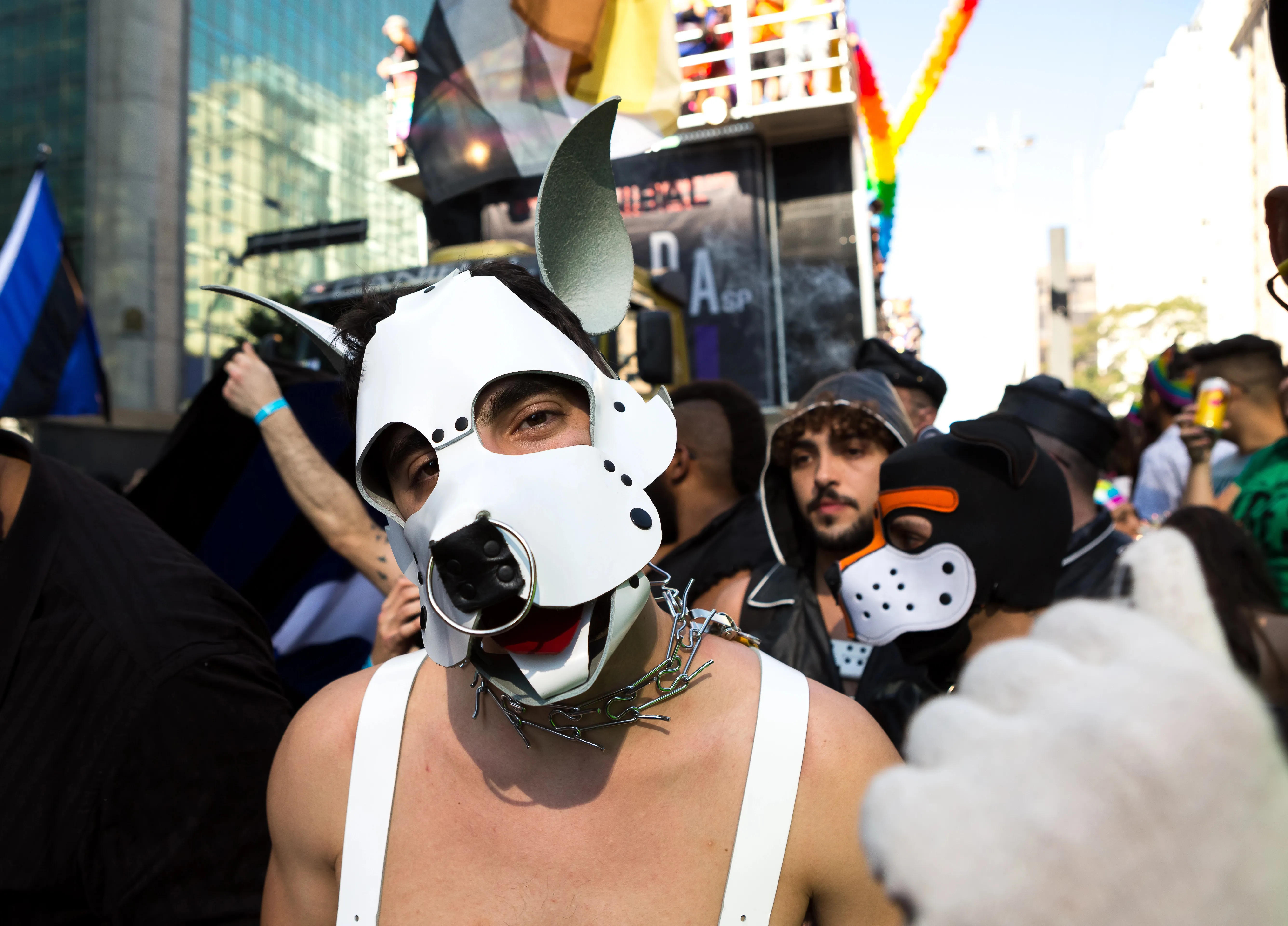
Anyone observing the vibrant crowds at Cologne Pride (CSD) this weekend will immediately notice: alongside rainbow flags and glitter, leather harnesses, latex ensembles, bondage ropes, and puppy hoods define the streetscape. To an outside observer, this unapologetic display of non-normative desires might seem provocative. Yet from sociological and sexological vantage points, this is far from mere exhibitionism. It is a profoundly political act of emancipation. For lustlink.eu, where we witness daily how healing an open embrace of fetishes can be, Pride offers living proof that shame dissolves where visibility begins.
1. Historical Context: The Leather Subculture and the Civil Rights Struggle
To understand why kink is so deeply woven into Pride, we must revisit the post-World War II era. In the late 1940s and 1950s, the first gay leather subcultures emerged in cities like San Francisco and New York. Many returning veterans felt alienated both by heteronormative society and by the early gay homophile movement’s cautious push for “assimilation.”
They adopted the rugged aesthetic of motorcycle clubs (leather jackets, boots, heavy denim) to forge a hyper-masculine, defensive identity. This aesthetic served as literal armor against homophobic violence. When the Stonewall Riots of 1969 ignited the modern gay rights movement in New York, marginalized groups—drag queens, trans women of color, and the leather community—stood at the frontlines resisting brutal police raids. Their kink was always inherently political.

2. Theoretical Frameworks: “Reclaiming Space” and Catharsis
In contemporary sociology, donning fetish gear in public spaces is conceptualized as reclaiming space. Historically, queer individuals and kink practitioners were forced underground—into clandestine clubs on industrial peripheries or the absolute confinement of private bedrooms.
Wearing a leather harness in broad daylight in front of Cologne Cathedral destabilizes traditional taboos surrounding public propriety. Psychologically, this serves a profoundly cathartic purpose:
- Dismantling Toxic Shame: A fetish exposed to daylight and celebrated by supportive crowds sheds its stigmatizing status as a “dark, guilty secret.”
- Empowerment: Deliberate transgression of bourgeois dress codes asserts unconditional bodily autonomy and self-determination.
3. Phenomenology: Facets of Visible Kink
Public kink at Pride parades is multifaceted. Here is an overview of its most prevalent dimensions:
- Leather & BDSM Gear (Harnesses, Collars): Historically functioning as protective armor, today it stands as an emblem of sexual self-determination, pride, and deep kinship with radical queer history.
- Petplay (Puppy Hoods, Tails): Stepping into the persona of a human pup facilitates profound “cognitive offloading.” In a relentless, high-stress world, puppy play provides a joyful, anxiety-free state centered on touch, playfulness, and pack loyalty. The hoods additionally offer psychological containment and anonymity in bustling public environments.
- Public Shibari & Bondage: Demonstrations of rope bondage celebrate absolute trust and somatic surrender, rendering the delicate, attuned dialogue between rigger and rope bottom (bunny) into a visible art form.
4. Critical Considerations: Friction with Respectability Politics
Despite collective euphoria, ideological tensions persist. So-called “respectability politics” within more assimilationist LGBTQIA+ circles often demand that Pride become “family-friendly” and sanitize its image. Yet radical kink advocates rightly push back: an emancipation movement that hides core chapters of its own historical struggle to appease mainstream sensibilities betrays its foundational mission. The destigmatization of human sexuality only succeeds when it is uncompromising and unconditional.
5. Conclusion & Call to Action: From the Streets into the App
Wearing a collar or a puppy hood at Pride is a triumphant conquest over shame. It is the ultimate statement that our most intimate desires are never something to conceal—on the contrary, they are vibrant dimensions of identity deserving of celebration.
Yet celebrating on the street is only the prelude. While Pride fosters vital public visibility, in our private lives we yearn for authentic, deeply compatible connections. lustlink.eu is the natural extension of this liberating ethos: celebrate your fetish loud and proud in the sunshine today—and find the exact partner tonight who will explore it with you safely, consensually, and passionately.
Complete your profile and let’s ensure that liberation continues long after the parade concludes!
References & Further Reading
- Rubin, G. (1984): Thinking Sex: Notes for a Radical Theory of the Politics of Sexuality. – Foundational analysis of the cultural hierarchies of sexuality.
- Mains, G. (1984): Urban Aboriginals: A Celebration of Leathersexuality. – Seminal historical treatise on the emergence of the leather subculture.
- Foucault, M. (1976): The History of Sexuality, Volume 1: An Introduction. – Essential theoretical concepts on power, visibility, and spatial dynamics.
- Leather Archives & Museum (Chicago): Historical archives documenting the deep intersections of BDSM and early gay liberation movements.
Researched and drafted with AI support, editorially reviewed.
Helpful article?
Loading ratings...